IgA Nephropathy – Symptoms, Diet, Treatment, Prognosis, Causes
What is IgA Nephropathy?
IgA nephropathy is a common disease that is a form of glomerulonephritis which is known as inflammation of glomeruli of kidney.
This is a condition where the IgA antibodies that fight against bacteria and virus will build up in kidney that will result in inability of kidney to filter waste, water and electrolytes that is an excess in the blood.
It’s also called by medical professionals as Berger’s Disease that if left untreated will eventually lead in having blood in urine, high blood pressure and swollen extremities.
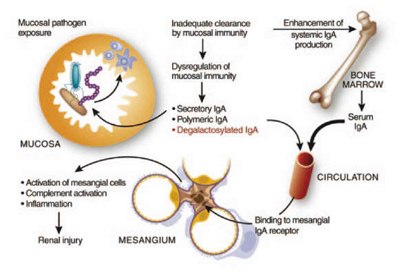
Process of IgA Nephropathy and its affectation
Signs and Symptoms of IgA Nephropathy or bergers kidney disease:
- Blood in the urine that is normally tea colored
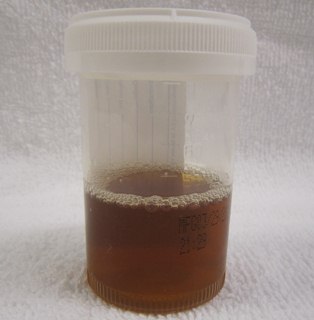
Tea colored urine as a symptom of IgA Nephropathy
- The patient will also experience Upper Respiratory Infection
- There is a visible swelling of the hands and the feet
- The patient also experienced high blood pressure
- Low-grade fever
- Protein form like bubble in the urine
- Nephrotic Syndrome that is caused by excessive loss of protein in the blood

Nephrotic Syndrome caused by excessive loss of protein
- Extreme fatigue due to anemia
- Flank pain on the sides due to inflammation caused by IgA Nephropathy
Causes of IgA Nephropathy
The main cause of disease or process on how it was deposited in glomeruli of kindney is still unknown. The causes that are mentioned can be associated in the formation of IgA Nephropathy.
- Genes
- Cirrhosis is a disease that will cause formation of scar tissue in the kidney that might affect the IgA to be deposited in the kidney
- Celiac Disease is a condition where the person who has this cannot tolerate gluten that is common on breads that can cause for having blockage that will result in the deposition of IgA in the kidney.
- Bacterial and Viral infections
Diagnosis of IgA Nephropathy
- Ultrasound of the kidney can help the medical professionals to view and determine if there are present abnormalities in the kidney.
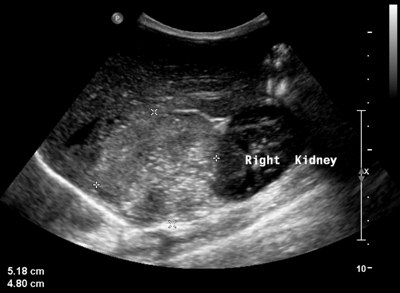
Renal Ultrasound to detect kidney abnormalities
- Cytoscopy is used by medical professionals to examine the bladder and the urethra to check where the bleeding has started or other abnormalities that cause the bleeding.
- Urine Sample to help the medical professionals to identify presence of blood and protein in the urine.
- Blood Test for the medical professionals to identify the levels of waste products in the blood like if creatine level and the blood urea nitrogen level are high it is indicated that there is a problemin the kidney function.
- If there is positive damage in the kidney, biopsy is recommended by the medical professionals. Biopsy can determine the damage present in the kidney and it can show presence of IgA deposits in the kidney. Biopsy is a medical type of test done by the medical professionals where they will get sample tissue used for examination. The sample that is removed is checked through a microscope and it helps to determine any present diseases.
Treatment and Diet for IgA Nephropathy
The goal of treatment for patients with IgA Nephropathy is to relieve the visible signs and symptoms and prevent renal failure. These are the treatments used for patients with IgA Nephropathy:
- Medications that help to control blood pressure. These medications can help to delay and prevent kidney damage. Medications like Angiotensin-Converting Enzyme and Angiotensin-Receptor Blockers are the common medications that is ordered by medical professionals to take by the patients with IgA Nephropathy to decrease blood pressure.
- Medications that will help patients to decrease cholesterol levels. Lowering cholesterol levels of the patients with IgA nephropathy can help the patients to slow the development of kidney damage.
- The medical professionals also give immunosuppressant drugs like corticosteroid that will help to protect the kidney of the patient.
- If kidney failure is present to the patient, the medical professionals will recommend Dialysis treatment or if possible Kidney transplant is also recommended. Dialysis is a procedure that does what the normal kidney do like removal of fluid and waste that people with kidney problem cannot do due to the damage of their kidney.
Diet for People with IgA Nephropathy
- Low protein diet because protein rich foods will make the person glomeruli to function without rest thus making the kidney pressure higher.
- Medical professionals recommend the patient with IgA Nephropathy to be a vegetarian. To prevent or slow the progression of kidney damage.
- Diet that has low salts as well as controlling fluid intake of the person is also part of the treatment to reduce the swelling that the person is experiencing.
- These foods should be avoided by the patient:
- Stimulating foods such as seafood, beef and spicy foods.
- Foods that stimulate the internal heat of the body like chocolate and hot pepper.
- Food that is high in potassium like banana, potato and tomato.
- Patients that has a high uric acid should avoid foods like fish, shrimp, and crab.
Prognosis of People with IgA Nephropathy
The prognosis of this disease depends on the health status of the patient. Usually the progression of this disease is slower except if the person who has an IgA Nephropathy has a high blood pressure, large amount of protein that is present in the urine and has an increase in Blood Urea Nitrogen Exam that indicated problem in the kidney function can make the progression faster and became worst because once the patient has a kidney failure it is irreversible.
Complications of IgA Nephropathy
- High Blood Pressure :patients with high blood pressure will increase their risk in damaging the kidneys that will result:
- Renal Failure : Kidney that is present in our body has a major contribution in keeping the body healthy. They are responsible in filtering blood, removing waste products, and they are also responsible in controlling blood pressure in the body. When there is damage in the kidney, the filtering ability of it will looses that will result in the buildup of waste in the blood thus resulting for the patient to undergo dialysis that will help in cleaning and removing waste in the blood.
- Nephrotic Syndrome : A disease that is caused due to damage in the glomeruli that is responsible in controlling protein. In this disease the problem is the excessive release of protein substance in the urine that can result for the person to swell and contribute in the kidney damage.
- End-stage Renal Disease : A disease that the kidney has the complete inability to function. Usually the medical professional recommend the patient to undergo kidney transplant and these patients will undergo continuous dialysis to remove the build-up of waste products in the body.